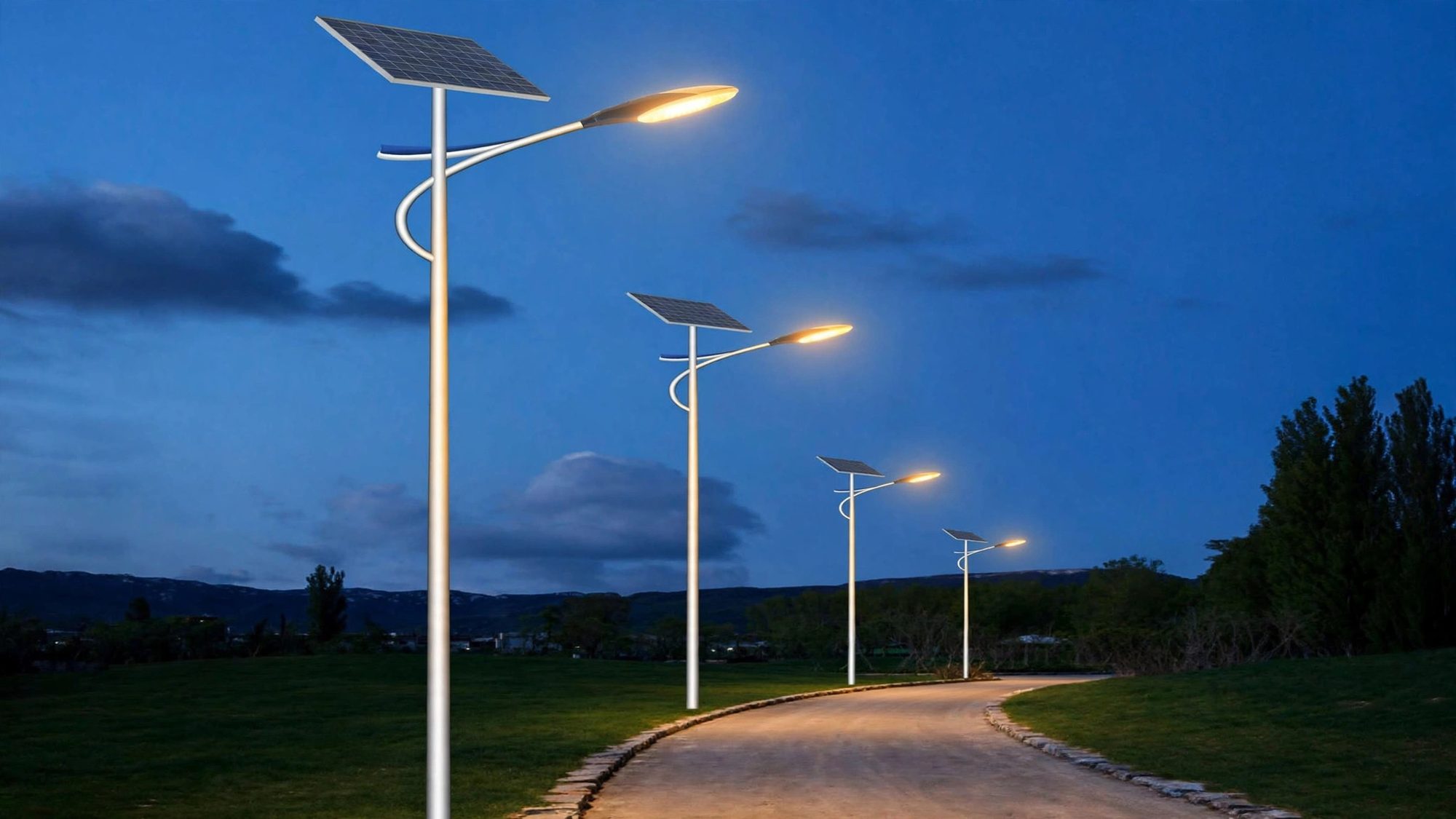
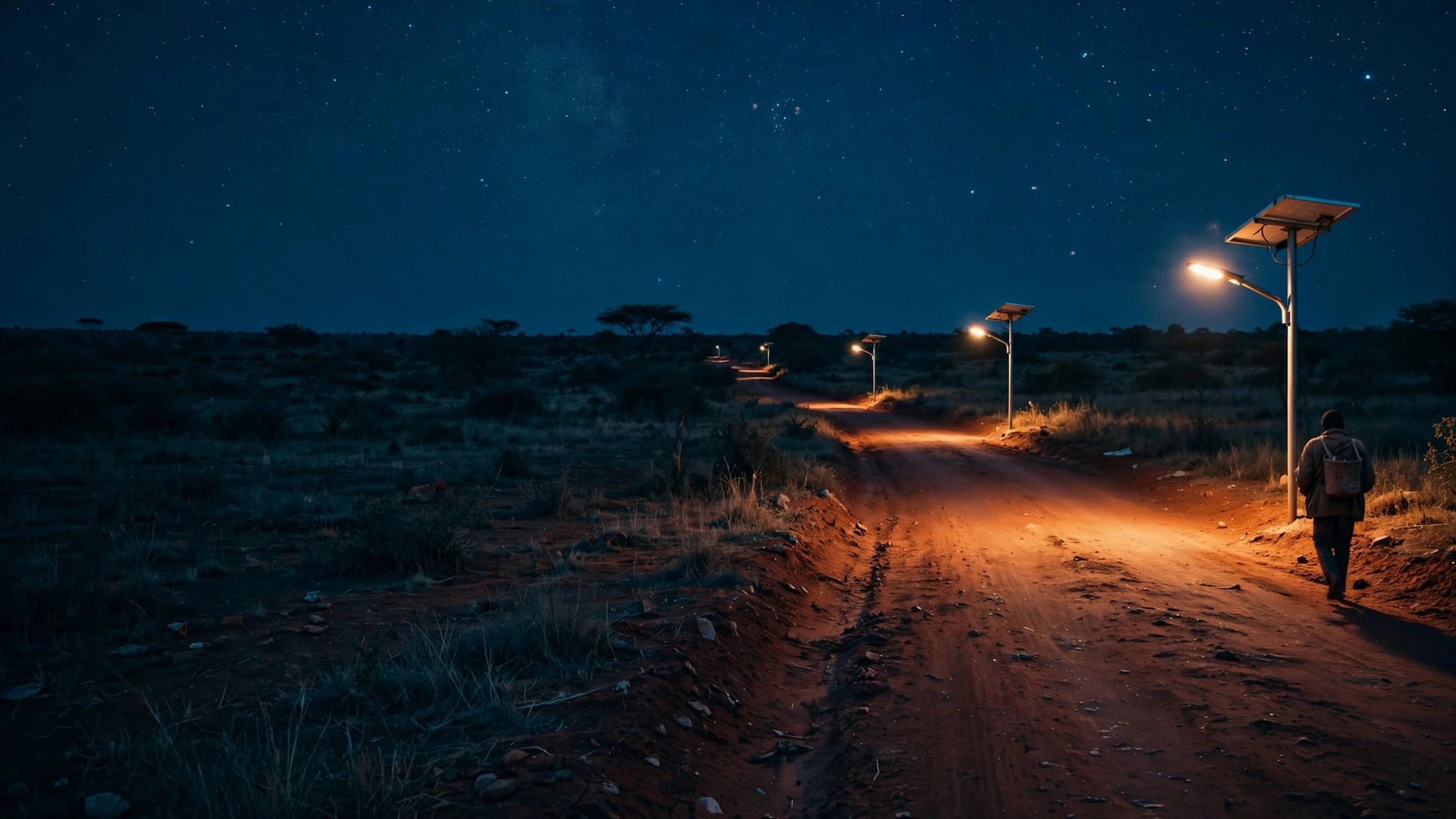
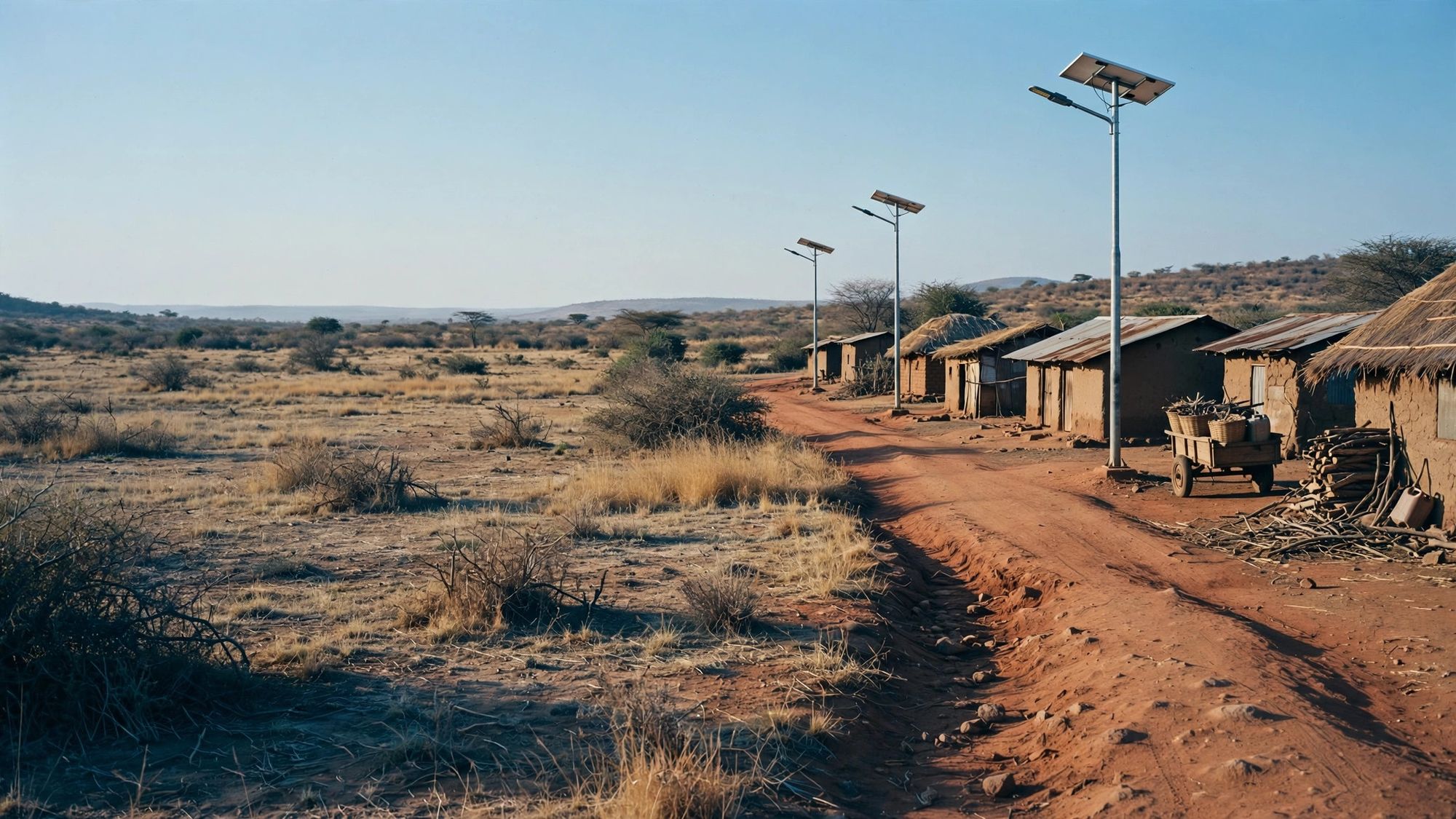
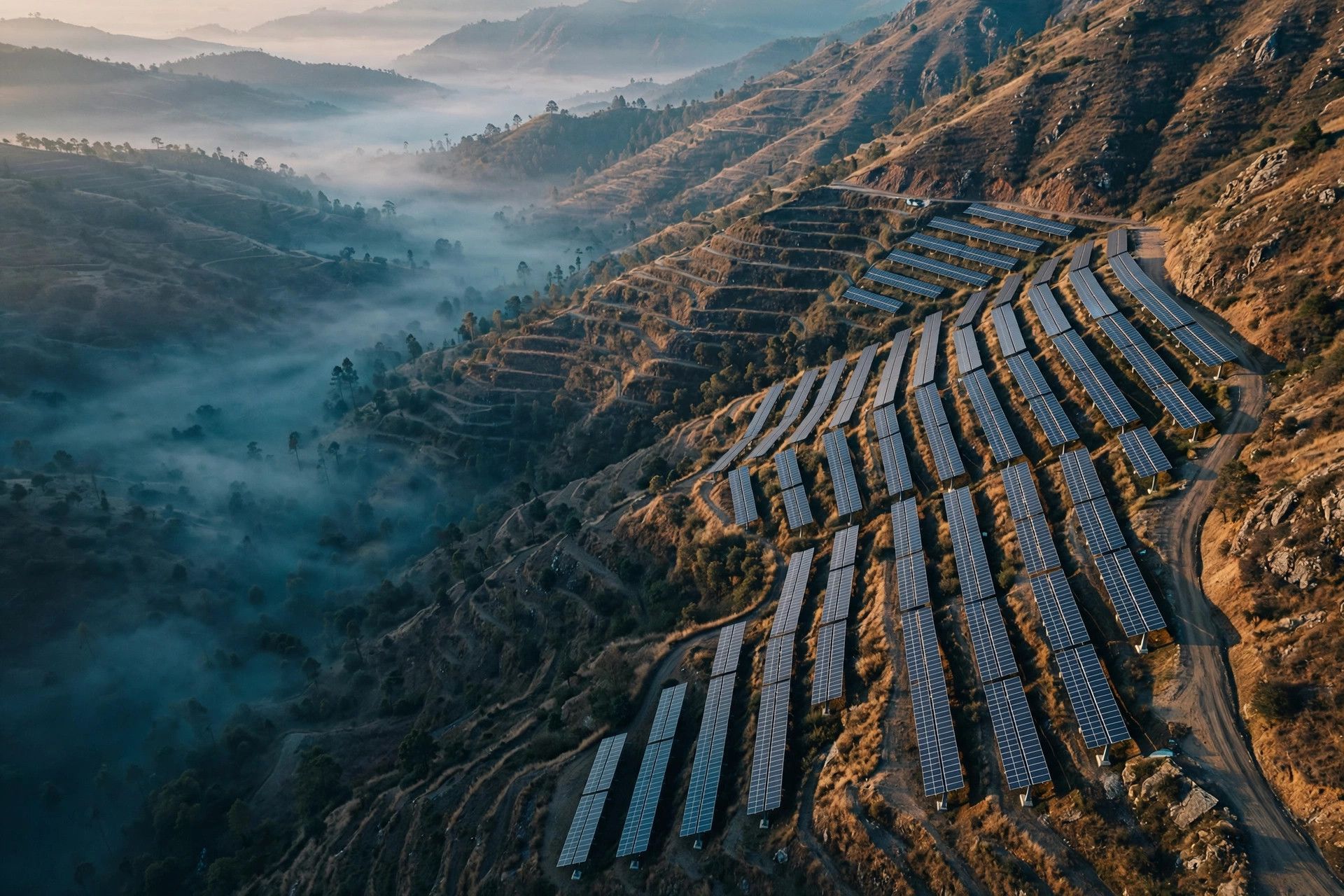
How to use these guides: each one answers a question we are asked on real projects, starts with a short answer, shows the numbers behind it and names its sources. Prices and lead times are not in the guides, because they depend on the configuration; send us your project data for those.
Start here, by role
Contractors bidding on public lighting tenders
- Kenya county solar street light tenders: the specifications and the documents that decide whether a bid is responsive, plus e-GP registration.
- Solar street lights for Nigeria: tenders, SONCAP and rainy-season configuration.
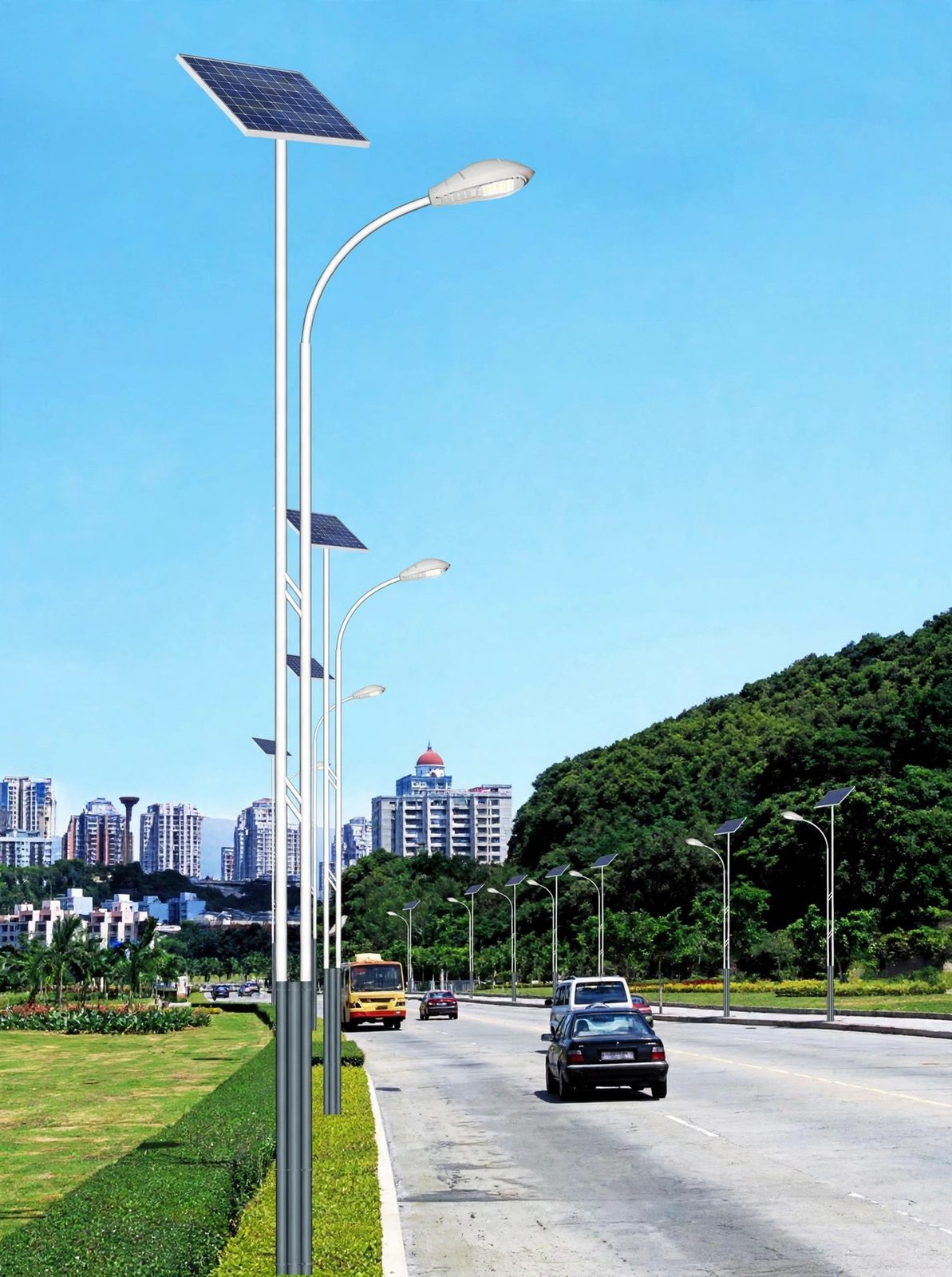
- How to size a solar street light: from lux to LED watts, panel and LiFePO4 battery, and how to check a tender’s line items balance.
- Anti-theft solar street lights: where to put the battery and how to make theft unattractive.
EPCs and developers designing solar plants
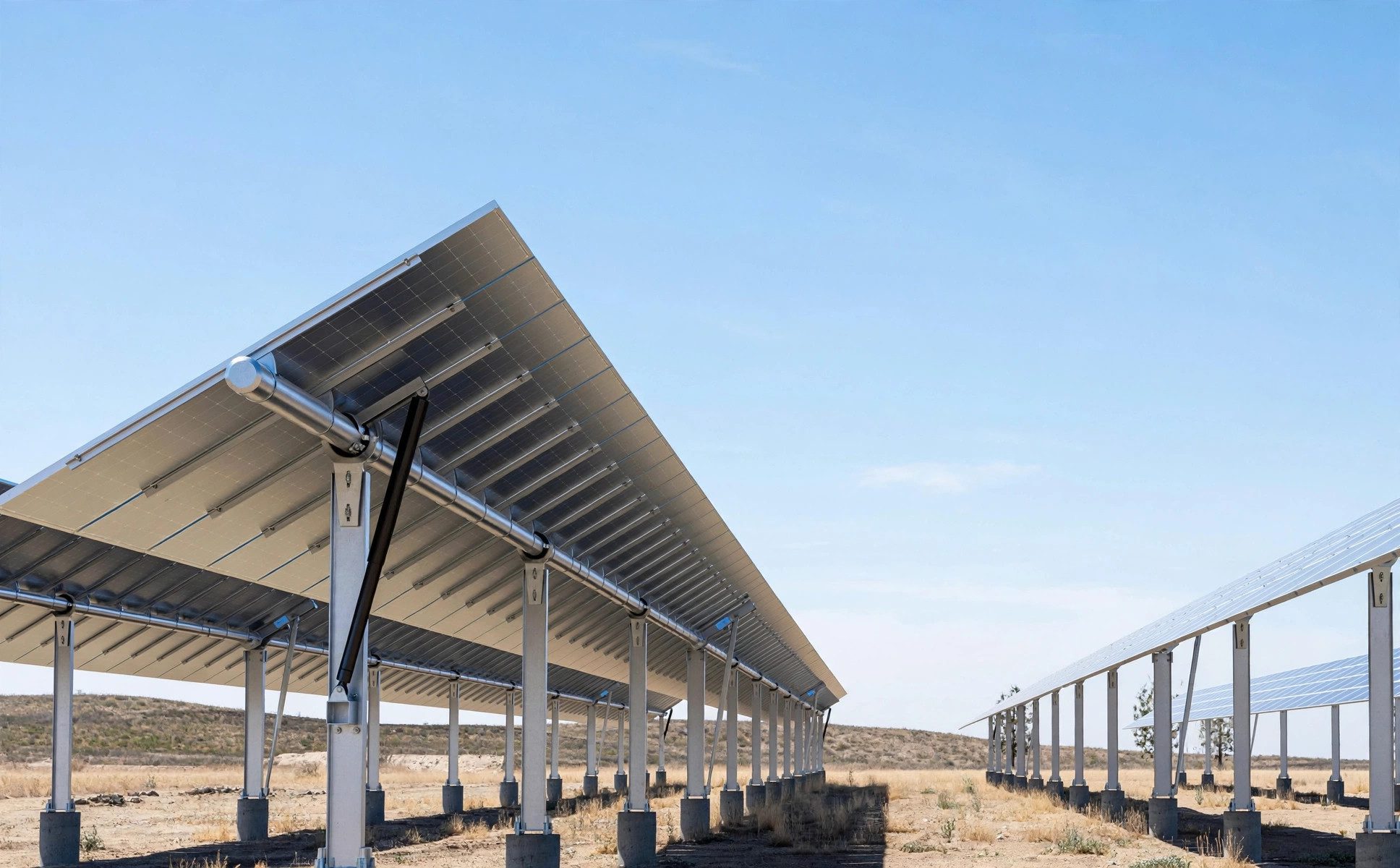
- Fixed-tilt, adjustable or single-axis tracker: yield gains, slope and wind limits, and a site checklist.
- Hillside and mountain mounting: terrain-following structures, row spacing by slope direction, foundations and ridge wind.
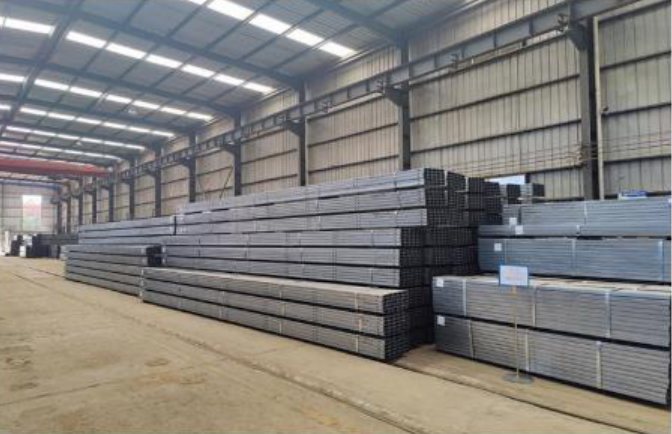
- Hot-dip galvanizing: ISO 1461 minimums, ISO 9223 corrosion rates and a 25-year life check.
Distributors building a product range
- Start with sizing to understand why two lights with the same wattage behave very differently in the rainy season.
- Then compare our solar street lights, LED street lights and poles, and our OEM options.
Five rules that run through every guide
- Size for the worst case, not the average. The worst month’s sun for solar lights, the site’s corrosivity category for steel, the actual wind at the ridge for structures.
- Check that line items work together. A tender can list a panel, a battery and an LED that do not balance; a structure can meet a coating minimum on thick posts and fail on thin rails.
- Documents decide tenders. Samples, type test reports, authorisation letters and warranty letters often matter as much as the specification.
- Let the site choose the system. A tracker on the wrong site, or a flat-land structure on a hillside, costs more over the project life than it saves.
- Ask for the numbers behind a claim. Yield gains, coating life and autonomy should come from a model or a test, not from a brochure.
Glossary
- Peak sun hours (PSH): daily solar energy on a surface, expressed as hours of full 1,000 W/m² sunlight. Used to size panels.
- Autonomy: the number of nights a solar light can run from its battery without recharging, usually stated at a given dimming profile.
- LiFePO4: lithium iron phosphate, the battery chemistry most tenders now ask for because of its cycle life and thermal stability.
- Lighting class (P1–P6): EN 13201 classes for streets and pedestrian areas, from 15 lux average (P1) to 2 lux (P6).
- ISO 1461 / ASTM A123: standards for hot-dip galvanized coatings on fabricated steel, including minimum coating thickness.
- Corrosivity category (C1–CX): the ISO 9223 class of an atmosphere, which sets how fast zinc corrodes.
- Single-axis tracker: a structure that rotates rows of modules east to west during the day; backtracking limits rotation early and late to avoid row-to-row shading.
- Terrain-following: a structure that follows the ground with posts of different lengths or a bending torque tube, instead of grading the site flat.
FAQ
Who writes these guides?
The Solmast engineering team, based on tender documents, international standards and the design questions that come up on our projects. Each guide lists its sources at the end.
Can you check our tender specification or plant layout?
Yes. Send us the bill of quantities or the layout with site data, and we will tell you where the specification does not balance and what we would propose.
How often are the guides updated?
When a standard, a tender requirement or our product range changes. The date at the top of each guide shows the last update.
Sources are listed at the end of each guide; they include EN 13201-2, IEC 62124, ISO 1461, ISO 9223, Berkeley Lab’s Utility-Scale Solar reports, NREL research and published Kenyan and Nigerian tender documents. See also about Solmast.